An alarm that wakes someone up, not just the neighbours.
Detection on the fence line, verification on camera, and a protocol you set. The siren is the last step, not the first.
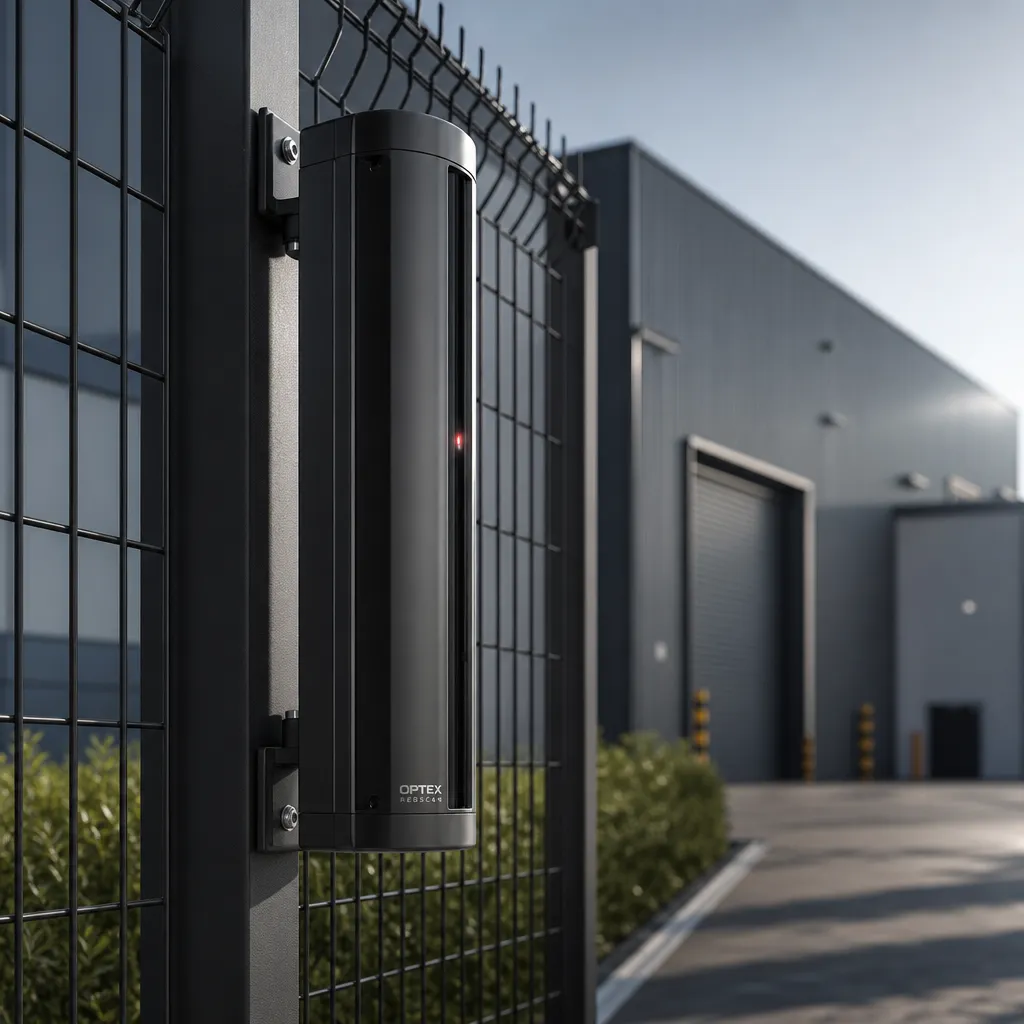
When this makes sense
- The site sits empty at night or over the weekend.
- There's a yard, fence or roof reachable before the door.
- Someone needs to respond, not just find out in the morning.
- Staff need a panic button at the till or counter.
When it doesn't
- Someone is on site at all times — cameras and access control do more there.
- There's no one to call at 3am and no monitoring contract.
- Sensors would cover space where pets or machinery move freely.
How it works
- 01
Zones and sensors
Motion detectors, magnetic contacts on doors and windows, glass-break and smoke sensors. Zones follow how the site is actually used, so one area can stay armed while another is in use.
- 02
Perimeter on the fence
IR barriers from 100 to 700 metres raise the alarm while the intruder is still outside — the difference between a warning and a damage report.
- 03
Verification on camera
The alarm reaches our monitoring centre together with the camera covering that zone, so the operator sees the cause before calling anyone.
- 04
Your protocol
Who gets called first, who's next, when emergency services or police get involved. The order is yours and it's written into the contract.
What's in the system
- Panel and keypadprogrammable zones
- Motion detectorsindoor, per zone
- Magnetic contactsdoors, windows
- Perimeter IR barriers100–700 m
- Siren and panic buttonoptional
- Communicator to the centreIP + mobile backup
Technical parameters
- Zones
- 8 – 64
- Perimeter range
- 100 – 700 m
- Communication
- IP + mobile network
- Power
- 12 VDC + battery backup
- Arming
- keypad · card · app
- Monitoring
- 24/7 with verification
Example — warehouse with a yard
- Zones
- 16
- Sensors
- 8 indoor + 2 IR barriers
- Panic buttons
- 2 (till, entrance)
- Monitoring
- 24/7 with verification
Illustrative example, not an offer. The final project follows a site visit.
Questions
What about false alarms?
Verification removes most of their cost: the operator sees a cat, a curtain or a branch and closes the event without waking you.
Can an existing alarm be connected?
In most cases yes, without replacing the panel. We check the installation on site and say plainly what has to change.
What happens if the internet goes down?
The panel switches to the mobile network, and the centre is told the primary link is down — losing the connection is itself an event.
Who decides the call order when the alarm triggers?
You do. Contact order and the conditions for calling emergency services or police are written into the monitoring contract.
Site visit and assessment are free of charge.
Site visit and assessment are free of charge · Mon–Fri 08:00–16:00